 BBB Accredited


We get asked about mulch color on almost every landscaping job. People want to know: does the color actually matter, or is it just looks?
The honest answer: it's mostly aesthetic, but there are a few practical differences worth knowing about.
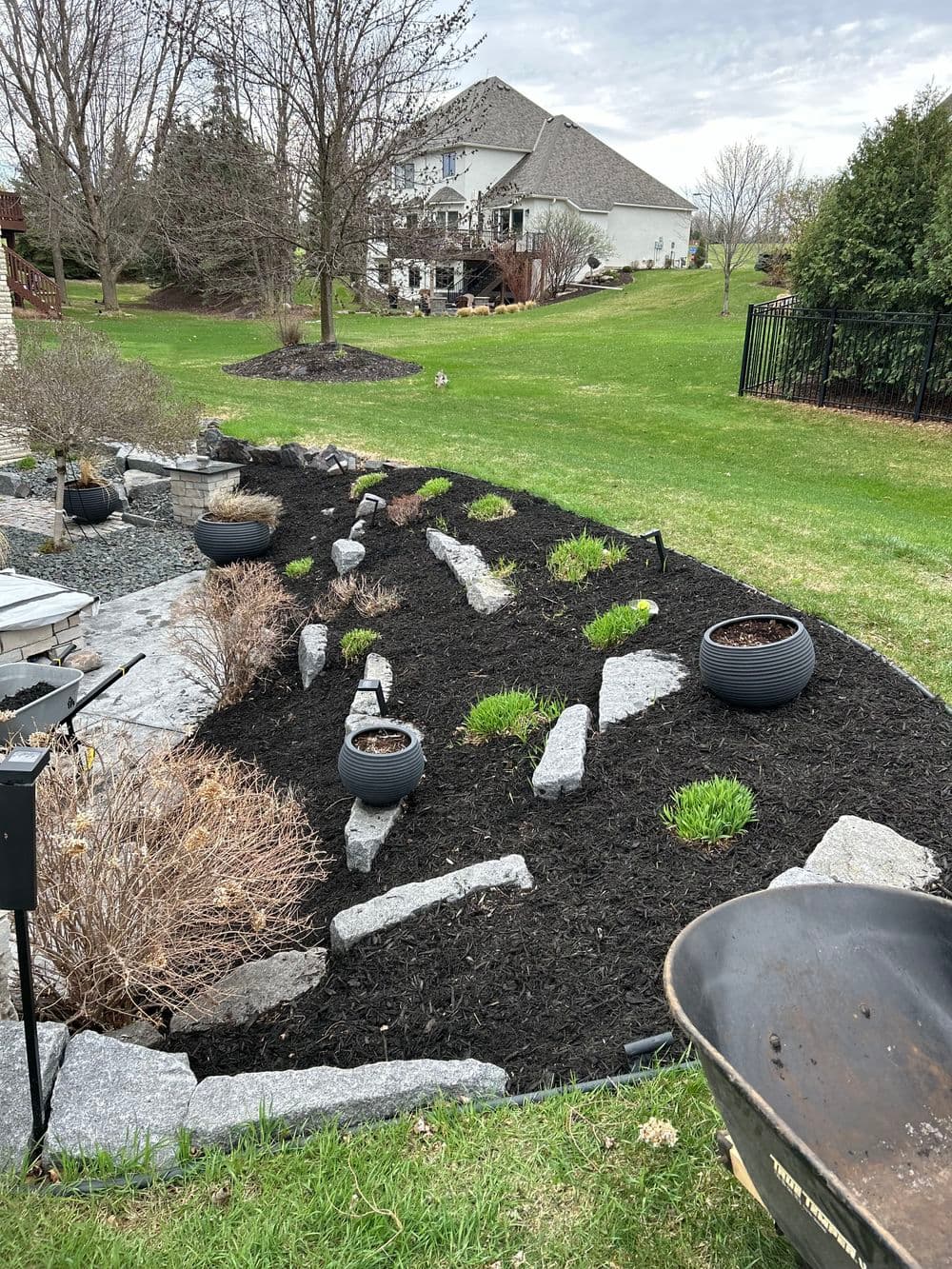
Natural (Brown) Mulch
This is undyed hardwood mulch. It starts out a rich brown and fades to gray over the season. It's the most "natural" looking option and blends well with wooded lots and rustic landscaping. It's also usually the cheapest.
Best for: Properties with lots of trees, natural-style gardens, budget-conscious projects.
Red Mulch
Dyed with iron oxide (the same stuff that makes red clay red — it's not toxic). Red mulch holds its color longer than natural and creates a strong contrast against green plants and light-colored homes.
Best for: Homes with red brick, warm-toned siding, or when you want garden beds to really pop.
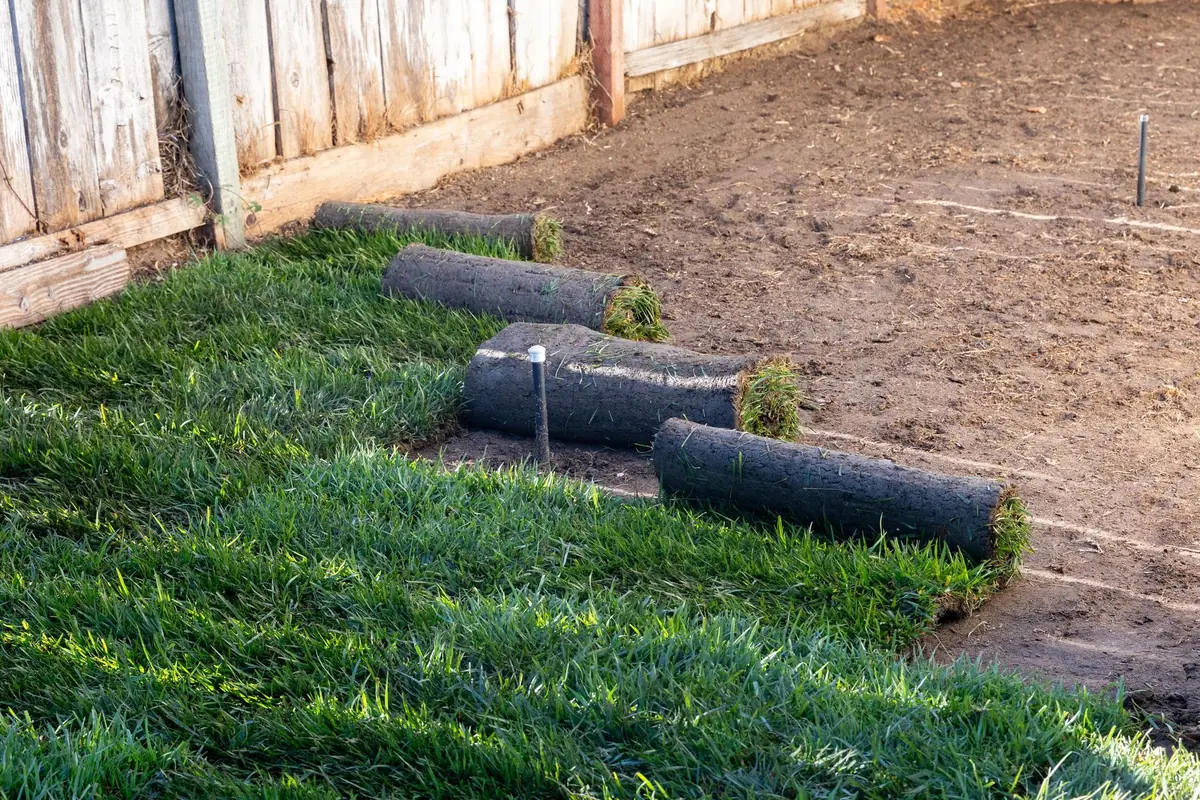
Black Mulch
Dyed with carbon-based colorant. Black mulch is the most popular choice we install right now. It looks clean and modern, holds color well, and makes flowers and green foliage stand out dramatically.
Best for: Modern homes, properties with light-colored exteriors, and anyone who wants that crisp, manicured look.
Our Take
Honestly, you can't go wrong with any of them. The most important things are depth (2-3 inches), proper edging, and refreshing it once a year. The color is personal preference.
That said, if you're unsure, we're happy to bring samples when we come out for an estimate. Sometimes seeing the colors against your actual house and plants makes the decision easy.
Schedule a free mulch estimate — we'll help you pick the right type and color for your property.